

A Project in the Fire Zone
This project is being built on a site that previously had a house that was destroyed by...

Hart Wright Architects collaborates with clients to help them age in place—no elevator required.
In this piece, we describe a project for a client who wanted a new house to age in place.

The Light at the End of the Tunnel; Donate
Hart Wright Architects has made a gift to the UCSF Coronavirus Relief Fund. We are all in this...

Bay Area Modern Cottage
Back in the late 1980s, our clients bought a former workman’s cottage on a flat lot where...

A Traditional San Mateo House gets a Modern Open Family Together Space
We recently completed a renovation of a traditional 1950s house on the Peninsula.

A Modern Victorian in San Francisco
The Victorian houses in San Francisco are typified by wonderful gracious tall ceilings but cozy

A website to match our craft
We are very proud of the genuine connections we've made with every one of our clients

A Conversation about Design with Jeff King and Company
We interviewed with Jeff King and Company and have been featured on their blog. “Jeff King & Co

C.A.B.: We regulate design but we don’t know good design
Here is a familiar form every licensed California architect has seen. This is the license renewal

Green Design: We want to reduce our water use and our runoff, please!
One of the arguments for saving water that is a struggle for owners to accept is the fact that since

An outline of the Phases of Architectural Service
1: Interview When you interview your architect you should like them and feel comfortable with them.
Some Thoughts on Pre-Fab Construction
We have just been asked a question about doing pre-fab construction. What are the pros and cons, and

Recycling + Deadline = Deck Chairs
The holiday season is always a reason to have a deadline. This year we are hosting guests. We needed

Hart Wright Architects Trip to Utah to See Land Art and get Green Design Inspiration
As part of our desire to be inspired by the world around us, Hart Wright Architects went to Utah and

A Celebration of the San Francisco 1950’s Box House
Just this past weekend, the San Francisco Chronicle featured San Francisco 1950s box houses in the

Design Case Study: The Knuckle
Here is a brief case study of a remodel where the objective of the project was to add light to the

Eliza Hart will be featured panelist in the “Growing a Small Firm” series at the AIA San Francisco Chapter
Learn about working relationships between small firms. Eliza Hart will be speaking on this panel

Hart Wright Architects Receives Best Of Houzz 2015 Award
Hart Wright Architects Receives Best Of Houzz 2015 Award. We received this award, given in two

A Brief Tour of Houses Visiting Austin for Design Inspiration
We recently took a trip to Austin to attend the annual Austin Psych Fest music festival. As always
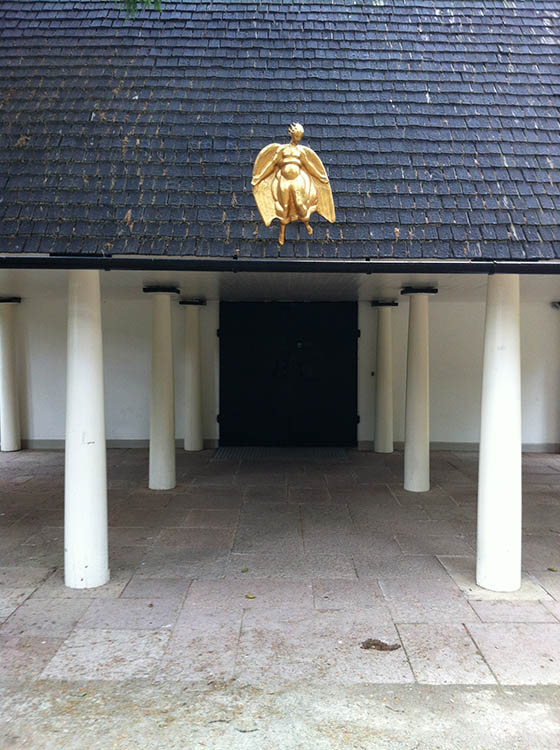
Our Masters of Scandinavian Architecture
We here at HWA draw much inspiration from the architecture of the Scandinavian region and American..

A Green Roof on a Small Scale
Here is a utility shed we built to house our gardening tools and trash containers.

Hart Wright Architects is a great value
These are busy times in the Bay Area. Many architects are hiring and there is energy...

A discussion on how to choose the right San Francisco contractor
We are working with clients who had to fire a San Francisco contractor and are hiring a new one.
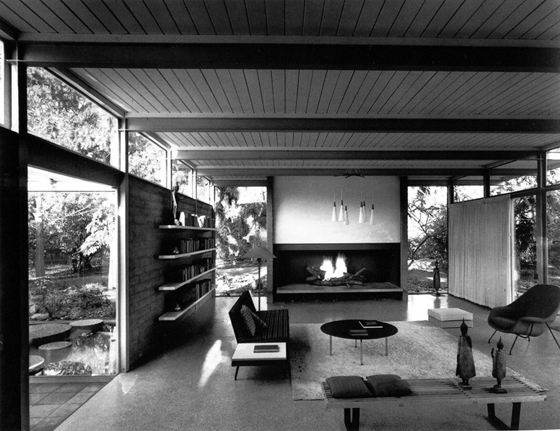
Images that Inspire Us
Instead of showing you our work and explaining our ideas, this entry is about...
Hart Wright Architects is featured on Houzz.com

Running in San Francisco Design Inspiration
We have been on many runs through San Francisco. Running is our exercise, our therapy...

Tribute: Today is Woman Architect Mary Colter’s Birthday
The Grand Canyon is one of the best known and visited national parks in the USA.

“50,000 Image Saves” on Houzz.com
The Houzz community has saved our photos to their ideabooks 50,000 or more times!

Hart Wright Architects wins Best of Houzz
Hart Wright Architects on Houzz

Navigating San Francisco Planning Approvals
In this post, we respond to the article about San Francisco Planning in the San Francisco...
.jpg)
Why Construction Administration matters
Construction Administration is one of the services we offer. As we are contracted...

Hart Wright Architects is featured on San Francisco Curbed!
Our project is listed for sale and got a great write up in SF Curbed. You can see the link...

An Art Trip to the Southern California Desert
We continue to look for places to visit for design inspiration. Now until April 30th...

San Francisco Facade Remodel
Hart Wright Architects recently completed a commercial facade remodel project...

Our Sustainable Water Practices Demonstration Garden is opening on April 20th
Hart Wright Architects working with a team recently designed the College Hill Learning Garden...

Hart Wright Architects Designs an Exhibit for The Market Street Prototyping Festival
As part of a larger plan to redesign San Francisco’s main street, the Market Street Prototyping...

Hart Wright’s Environmental Systems Demonstration Garden
Reclaiming Undeveloped Land Hart Wright Architects recently completed work on a project...
An Argument for Negotiated Bidding
We are often asked by our clients to bid the project to multiple contractors. The argument...

Announcing our new Houzz Video !
Eliza Hart of Hart Wright Architects is featured in a new video on Houzz.com

Favorite Buildings, 2018
As the year 2018 comes to a close, we share with you some favorite buildings we were lucky enough to

The Three Boxes- Hart Wright Architects’ Furniture Design
We thought this project in the furniture section on our website could use an explanation. This is a
.jpg)
Favorite Buildings We Visited in 2017
Even though a year ended a while back, we’re still excited to post what we saw last year.

Understanding General Contractor Payment
Hart Wright Architects recently had a conversation with colleague, general contractor...

Favorite Buildings We Visited in 2016
Another year is coming to a close. In this post, we share some favorite buildings...

Hart Wright Architects Visits Lighting Field for Design Inspiration

Stuart Wright: Grand Canyon R2R2R
Here is a bit of insight into our inspirations outside architecture. Below are a few photos from my

Introducing Hart Wright Architects’ New San Francisco Bay Area Remodel
And these are the before pictures:

We are published in California Home and Design
We are proud to announce Hart Wright Architects is featured in the current issue of California Home

Remodeled Home Before and Afters
Here is a rendered preview of a remodeled house we are working on in the peninsula. Seeing the